


Top-Rated Atlantic City Dispensary: Find Quality Weed Nearby
November 12, 2025
Find the Best Dispensary Near Me in Atlantic City Today
December 15, 2025
How Will Federal Agencies Enforce the Hemp THC Product Ban and What Does It Mean for Consumers?
The new federal hemp THC product rule redefines the legal threshold for hemp by shifting focus from a single Delta-9 THC limit to a broader “total THC” metric, creating immediate questions about product legality and enforcement. This article explains how the rule works, why enforcement is uncertain given agency roles and limited resources, and what practical steps consumers and retailers in New Jersey and Atlantic City should take to remain compliant and safe. Readers will learn the rule’s core provisions, which hemp-derived products are targeted, how the FDA and DEA may respond, state-level interactions with New Jersey rules, and local retail guidance for finding legal alternatives. The piece balances legal explanation with actionable consumer guidance and local context, concluding with dispensary-level recommendations and a forward-looking watchlist. Throughout, keywords like federal hemp law 2026, total THC limit, delta-8 THC legal status, and compliant cannabis products NJ are woven into clear, practical advice.
What Is the New Federal Hemp THC Product Ban and Its Key Provisions?
The new federal hemp THC product rule establishes a “total THC” standard that aggregates Delta-9 and other psychoactive isomers, shifting the legal measurement away from a narrow Delta-9 threshold to a composite metric that captures more cannabinoids. This redefinition aims to close a regulatory gap that allowed psychoactive hemp-derived products to circulate by exploiting isomer differences, and the benefit is a clearer statutory baseline for prosecutorial and civil action. The rule lists categories of hemp-derived THC products subject to prohibition or restriction, sets an effective timeframe for federal action, and signals coordinated intent by regulatory agencies even if exact enforcement mechanisms remain unsettled. Below is a concise snapshot of core definitions and numeric limits for quick reference before deeper examples and product lists.
This table summarizes key legal definitions and numeric markers under the new federal framework.
This table clarifies how the terminology drives enforcement priorities and why manufacturers and retailers must reassess formulations and labels in light of the new total THC concept. Understanding these definitions helps consumers compare product labels and choose compliant alternatives in regulated markets.
How Does the 2026 Rule Redefine Hemp and Total THC Limits?
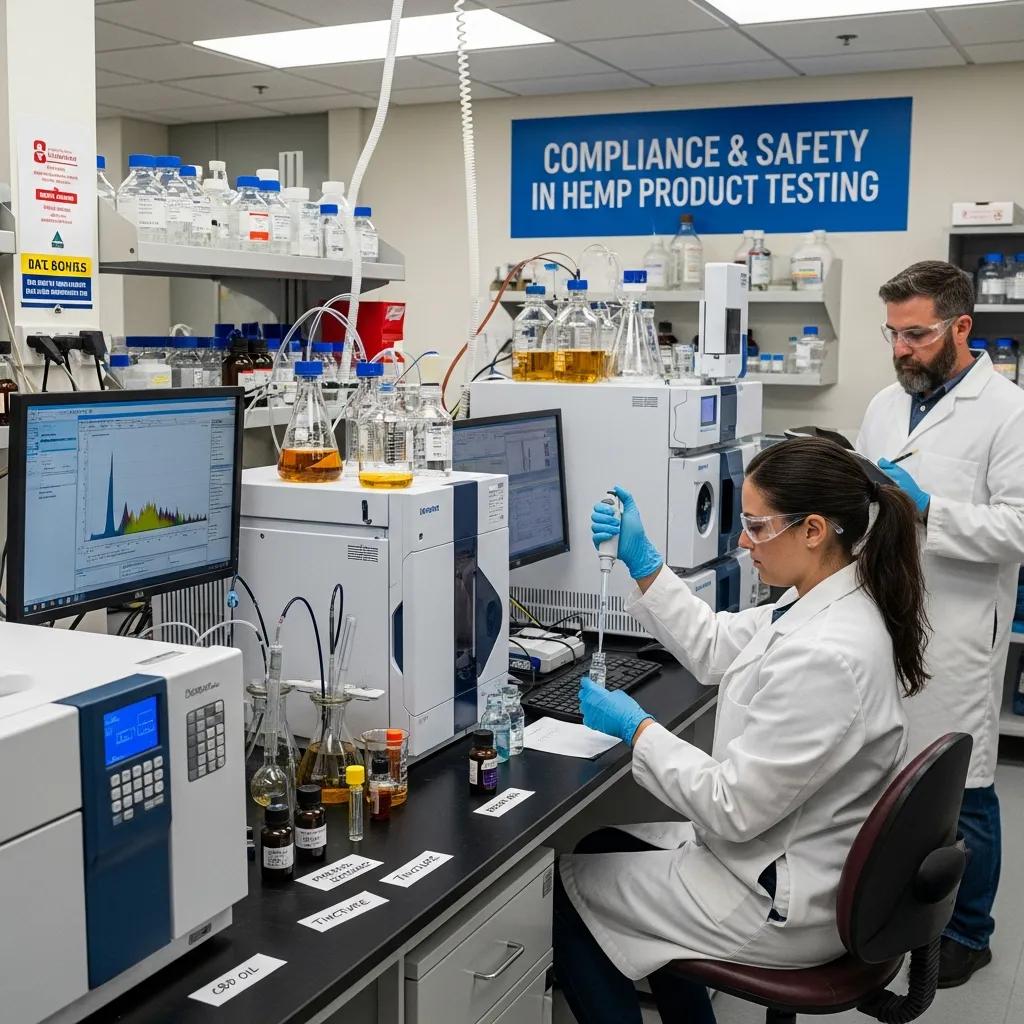
The 2026 rule changes the foundational legal test by replacing a Delta-9-centric threshold with a “total THC” approach, which treats multiple psychoactive isomers as a combined measurement for legal classification. Mechanistically, laboratories must validate methods that quantify each isomer and aggregate them to report a single total THC value, and manufacturers will need to reformulate or relabel products that previously complied under an isolated Delta-9 test. The direct benefit of this change is reduced loopholes that permitted psychoactive hemp products to avoid regulation by relying on non-Delta-9 isomers. Practically, consumers should read labels for explicit “total THC” values rather than assuming CBD or low Delta-9 equals legal status, and retailers must consult state testing requirements to ensure compliance. This definition shift links directly to enforcement questions discussed next, because agency action depends on measurable standards and available testing capacity.
Which Hemp-Derived THC Products Are Banned Under the New Rule?
The rule targets product categories that deliver psychoactive effects via aggregated THC isomers, with practical emphasis on inhalable and ingestible formats that concentrate cannabinoids. Typical examples include vapor cartridges formulated from hemp concentrates whose total THC exceeds limits, edibles made with isolated isomers that elevate total THC, and synthetic-like isolates or isomer blends marketed for stronger psychoactive effects. The regulatory reasoning is safety and consumer protection: products with elevated total THC pose greater risk of unanticipated impairment and inconsistent labeling. Below is a quick list of commonly affected categories to help consumers recognize at-risk items.
- Vapor cartridges and disposable vapes: often derived from concentrates and prone to high total THC.
- Hemp-derived edibles and gummies: can contain concentrated isomers that raise aggregate THC.
- Isolate blends and novel cannabinoid concentrates: marketed for potency and may exceed legal totals.
These categories highlight why consumers should prefer products sold through regulated state programs, as discussed in the retailer-focused guidance that follows.
Why Is Federal Enforcement of the Hemp THC Ban Unclear?
Federal enforcement uncertainty stems from a combination of expanded statutory definitions, overlapping agency jurisdictions, and constrained enforcement resources that make consistent nationwide action challenging. The fundamental reason is that while the rule sets a new standard, agencies like the FDA and DEA must allocate staff, testing capacity, and legal tools to prioritize cases, and Congress has not fully resolved accountability lines for widespread market enforcement. The immediate result is variable enforcement: some regions may see targeted seizures or warning letters while others experience slower civil or criminal actions. Understanding how agencies differ in mandate and practice clarifies why consumers and retailers should not assume uniform federal action in the near term.
Below is a short list of enforcement tools and the kinds of outcomes they typically produce, to show how federal responses may vary.
- FDA civil actions: warning letters, product seizures, injunctions against misbranded or adulterated products.
- DEA controlled-substances enforcement: scheduling actions and criminal prosecution where illicit production or trafficking is evident.
- State enforcement and cooperative actions: state agencies can prioritize local removal and licensure actions independent of federal timing.
What Roles Do the FDA and DEA Play in Hemp THC Ban Enforcement?
The FDA traditionally focuses on product safety, labeling, and public-health warnings, giving it authority to pursue civil remedies for misbranded or adulterated consumables, whereas the DEA enforces the Controlled Substances Act and can pursue criminal action when a substance is scheduled or trafficked illicitly. In practice, the FDA may issue warning letters to manufacturers and request recalls for products that present a public-health risk, while the DEA may act against large-scale producers or distributors who knowingly traffic controlled substances. The overlap creates gaps: the FDA lacks criminal enforcement powers, and the DEA relies on scheduling or evidence that products meet criminal thresholds, so neither agency alone guarantees systematic market removal. This institutional arrangement explains why congressional researchers describe enforcement as “unclear” and why local compliance measures are essential for retailers and consumers.
The distinction between hemp and marijuana has been a persistent point of legal and regulatory contention in the United States.
Cannabinoid Conundrum: Marijuana and Hemp Legality in the US
However, marijuana is still a Schedule I drug under the federalControlled Substances Act (CSA). Further complicating the matter, the 2018 Farm Bill removed hemp from the list of controlled substances under the CSA, resulting in a market flooded with cannabidiol (CBD) products that have not been approved by theFood and Drug Administration (FDA).
Cannabinoid conundrum: a study of marijuana and hemp legality in the United States, KL Willett, 2019
How Do Congressional Researchers Describe Enforcement Uncertainty?
Congressional analysts note that limited budgets, uneven laboratory capacity, and competing public-health priorities constrain both civil and criminal enforcement, producing a scenario where the rule’s practical reach may be narrower than its statutory language. Researchers point to resource constraints and jurisdictional ambiguities as core reasons federal action may be sporadic, emphasizing that agencies will exercise discretion in targeting egregious or high-risk products first. The implication for consumers and businesses is a staggered timeline for enforcement actions and potential regional disparities in which products remain available. Recognizing this uncertainty helps stakeholders plan proactive compliance measures and informs consumers to favor regulated state markets and transparent labeling while federal mechanisms are clarified.
How Will the Hemp THC Ban Impact Consumers and the Cannabis Industry?
The ban will likely reduce the availability of unregulated hemp-derived psychoactive products, accelerate product reformulation efforts, and push some suppliers toward state-licensed markets where regulation and testing are clearer. Consumers can expect retailers to delist certain Delta-8 products and isolates that cannot meet the total THC threshold, while manufacturers will either reformulate to reduce aggregated THC or scale back distribution. Industry effects include consolidation as compliant producers gain market advantage and increased costs for testing and legal compliance. Below is an EAV table comparing common product categories, likely consumer impacts, and recommended retail actions to manage transitions.
This comparison shows practical steps retailers can take to reduce consumer harm and maintain inventory that aligns with state and federal expectations. For consumers, the key takeaway is to prefer products from regulated markets with transparent testing and clear total THC reporting.
Facilitate purchase of cannabis products, educate users, and build customer loyalty through service and community engagement. Given these market changes, consumers in Atlantic City should consider shifting toward regulated, compliant products sold through licensed dispensaries, and they may rely on local stores to help identify safe alternatives. Design 710 Dispensary Atlantic City is a local retail source that serves medical cannabis patients (18+) and recreational users (21+) and emphasizes a wide selection of compliant flower, edibles, pre-rolls, and vapes sourced from New Jersey growers. This local context matters because state-licensed inventory and knowledgeable budtenders can guide safer product selection while the federal picture remains unsettled.
What Guidance Does Design 710 Offer on Compliant Cannabis Products Amid the Hemp Ban?

Design 710 Dispensary Atlantic City positions itself to help customers navigate the changing legal landscape by prioritizing legally sourced products, clear labeling, and in-store staff education. Facilitate purchase of cannabis products, educate users, and build customer loyalty through service and community engagement. That mission statement underpins practical retail guidance: the dispensary focuses on items that align with New Jersey regulations, trains staff to explain testing and total THC measurements, and helps medical patients and tourists select compliant alternatives. Customers can expect assistance comparing cannabinoid profiles, understanding dosage, and identifying products better suited to state-regulated consumption rather than unregulated hemp isolates. For local shoppers and visitors, this approach reduces confusion and supports safer consumption choices during the transition period in federal enforcement.
Below is a quick-reference table summarizing product compliance status and availability at Design 710 for customers evaluating purchases.
Which Products at Design 710 Remain Legal and Available?
Design 710 lists core retail categories that align with New Jersey’s licensed market: premium flower from New Jersey growers, state-market edibles, pre-rolls, and licensed vape products that meet applicable testing standards. The reasoning is straightforward: products supplied through state channels are subject to testing and labeling rules that reduce the risk of elevated total THC inadvertent exposure. This approach benefits medical patients and tourists by providing predictable dosing and clear product information, essential when federal enforcement is uneven. For consumers uncertain about a product’s status, Design 710 encourages consultation with knowledgeable budtenders who can explain cannabinoid breakdowns and recommend compliant alternatives that match therapeutic needs or recreational preferences.
How Does Design 710 Support Customers Navigating Legal Changes?
Design 710 supports customers through staff education, clear in-store labeling, and ongoing communication about inventory changes related to legal developments, creating multiple touchpoints for consumers to get up-to-date guidance. Budtenders receive training to explain total THC vs Delta-9 distinctions, assist with product selection, and inform visitors about purchasing rules for medical patients (18+) and recreational users (21+). The dispensary’s local focus and product sourcing from New Jersey growers position it to respond quickly when suppliers reformulate or when state guidance changes, reducing the friction for consumers. Customers benefit from loyalty programs and a welcoming store atmosphere that emphasizes education and safety during regulatory transitions. Visit our menu at https://design710.com to see current pricing and special offers.
What Are Common Questions About the Hemp THC Product Ban?
Consumers commonly ask about the rule’s effective date, whether CBD remains legal, and what immediate actions they should take to stay safe and compliant. Below are clear, short answers optimized for quick reference and consumer action, with a mix of policy clarity and retail guidance. The first set addresses high-priority policy points; the second set contains brief Design 710 Q&A snippets that reassure customers about in-store support and purchasing policies.
- What is the effective date and scope of the federal hemp THC ban? — The rule’s provisions are framed to take effect under the 2026 statutory timeline, applying at the federal level to hemp products that exceed the new total THC threshold; enforcement timing may vary regionally based on agency priorities.
- Will CBD and other non-THC hemp products be affected? — Most non-psychoactive CBD products that keep total THC below the statutory limit should remain legal, but formulations that push aggregate THC above the new threshold could be implicated, so consumers should verify total THC on certificates.
These answers give consumers quick, practical direction and point them toward state-regulated sources when certainty is needed.
Design 710 Q&A snippets (short shop policy and support):
- Q: Can I still buy CBD products at your store? A: Yes, Design 710 stocks compliant CBD and related products that meet New Jersey rules and provides staff guidance on total THC to ensure safe purchases consistent with our goal to “Facilitate purchase of cannabis products, educate users, and build customer loyalty through service and community engagement.”
- Q: What should tourists know? A: Visitors should bring valid ID for age verification (21+ for recreational), ask staff about product testing, and choose licensed state products to avoid unknowable hemp-derived formulations.
- Q: How does Design 710 handle returns or concerns? A: The dispensary offers in-store assistance and product guidance to resolve issues, prioritizing customer safety and regulatory compliance.
What Is the Effective Date and Scope of the Federal Hemp THC Ban?
The federal rule centers on 2026 as the enforcement pivot, but its real-world scope will depend on agency rulemaking and resource deployment, meaning immediate legal effects may be more apparent in some regions than others. For consumers, the practical interpretation is to treat the 2026 framework as the operative standard for product formulation and to prefer products that explicitly report total THC and meet state testing standards. Retailers should prepare for phased actions—updating inventory, certificates of analysis, and labeling—to reflect aggregate THC values. For authoritative text and final regulatory language, consumers and businesses should consult official agency releases and state regulatory guidance to confirm implementation details.
Will CBD and Other Non-THC Hemp Products Be Affected?
Non-psychoactive products like topical CBD creams or low-THC isolates generally remain lawful if total THC stays beneath the new threshold, but products with trace isomers that cumulatively exceed the limit could be classified as non-compliant. The important shopping rule is to look for explicit total THC figures on lab reports and to favor products sold through licensed state channels with accessible certificates of analysis. Medical patients should consult dispensary staff about potency and dosing, while consumers who rely on hemp products for wellness should prioritize transparent suppliers that disclose aggregated cannabinoid content. This approach minimizes risk while federal enforcement patterns settle.
What Is the Future Outlook for Hemp THC Legality and Enforcement?
Looking ahead, the legal landscape is likely to see continued legislative proposals, industry lobbying, and incremental regulatory clarifications that could adjust definitions, enforcement priorities, or testing standards over time. Stakeholders can expect three plausible scenarios: clearer federal enforcement with expanded testing capacity, sustained limited enforcement with state markets filling the compliance gap, or legal challenges that refine definitions through litigation. Each scenario has distinct implications for product availability, consumer safety, and retail compliance costs, so monitoring legislative movement and agency guidance will be essential.
- Follow state regulatory updates and dispensary notices to understand immediate changes in product availability.
- Require certificates of analysis showing total THC values for any high-potency or novel cannabinoid products.
- Prefer purchases from licensed state markets where testing, labeling, and age restrictions reduce uncertainty.
Which Bills and Lobbying Efforts Are Influencing Hemp THC Regulations?
A number of federal bills and stakeholder coalitions are active in 2025–2026 seeking to refine hemp law definitions, create carve-outs for certain cannabinoids, or provide clearer enforcement authority; industry lobbying aims to protect commercial interests while public-health advocates press for stricter consumer safeguards. The legislative landscape remains dynamic, and proposed measures could either relax or tighten the regulatory regime depending on political traction and evidentiary hearings. Consumers and businesses should watch for bills that explicitly address total THC measurement methods, interstate commerce provisions, and delineation of agency responsibilities, as these will shape how enforcement plays out in practice.How Might Enforcement and Legal Definitions Evolve Post-2026?
Post-2026 evolution is likely to include improved laboratory standards for total THC measurement, possible court challenges that test statutory language, and state regulatory adjustments that further insulate licensed markets from federal ambiguity. In one plausible outcome, federal agencies invest in coordinated testing and targeted enforcement of high-risk products; in another, litigation narrows the statute’s scope, returning more power to states to regulate novelty cannabinoids. For businesses, the sensible path is to adopt conservative compliance—adhere to strict total THC limits, document testing, and maintain transparency with customers—so they can adapt quickly as definitions and enforcement patterns change.
This article has walked through the new total THC concept, enforcement uncertainty, consumer and retail impacts, localized dispensary guidance, practical FAQs, and forward-looking scenarios to help readers make informed, safety-focused decisions as the regulatory environment develops.
